
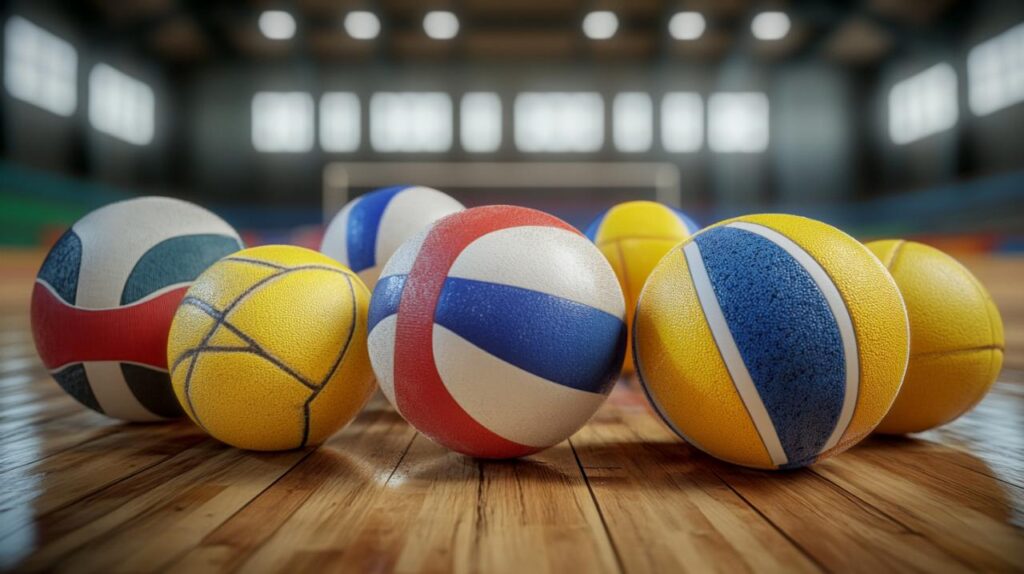
Selecting the right volleyball can significantly elevate your performance and enjoyment of the game, whether you find yourself diving for shots on a sun-drenched beach or powering through intense rallies in a well-lit sports hall. The evolution of volleyball equipment has been remarkable since the sport's inception, with modern balls now engineered to meet exacting standards that cater to different playing styles, environments, and skill levels. Understanding what makes one ball suitable for indoor competition whilst another excels on sandy shores requires a closer look at the science and craftsmanship behind these seemingly simple spheres.
Essential Physical Characteristics of a Volleyball
The foundational specifications of a volleyball are governed by rigorous international standards established by the FIVB, ensuring consistency across competitive play worldwide. When you explore volleyball ball characteristics and types, you quickly discover that these specifications are far from arbitrary, as they directly influence how the ball behaves during serves, spikes, and defensive plays. Modern volleyballs typically measure between sixty-five and sixty-seven centimetres in circumference for standard indoor play, with a weight ranging from two hundred and sixty to two hundred and eighty grammes. These measurements strike a delicate balance between manoeuvrability and substance, allowing players to execute powerful attacks whilst maintaining sufficient control during intricate plays.
Weight, circumference, and pressure specifications
The internal pressure of a volleyball represents one of its most critical yet often overlooked characteristics. Indoor volleyballs maintain an air pressure of approximately four point three pounds per square inch, though official specifications allow for a range between four point two six and four point six one psi. This relatively firm inflation creates the responsive bounce that defines indoor volleyball, enabling players to execute lightning-fast exchanges and powerful spikes. Indeed, professional athletes can propel a properly inflated indoor ball at speeds exceeding eighty miles per hour, with Bulgarian player Matey Kaziyski setting an astounding world record at eighty point one mph. By contrast, beach volleyballs operate at considerably lower pressures, typically between two point five and three point two psi, which produces a softer feel that proves gentler on players' hands and forearms during outdoor matches. This lower pressure also compensates for the natural resistance provided by sand, creating a more forgiving playing experience that suits the unique demands of beach volleyball. Youth players benefit from modified specifications as well, with balls designed for children under twelve weighing as little as seven ounces and featuring smaller circumferences that make handling and control far more manageable for developing athletes.
Material composition and panel construction
The construction of a volleyball involves three primary components that work in harmony to deliver optimal performance. The outer shell, which players directly contact, comes in various materials ranging from genuine leather to synthetic alternatives and rubber compounds. Genuine leather covers were once the gold standard for high-level competition, prized for their exceptional feel and responsiveness, though they possess the significant drawback of absorbing moisture which can dramatically alter the ball's weight and behaviour. Modern synthetic leather has largely supplanted traditional materials in both indoor and beach volleyball, offering waterproof properties alongside durability that withstands the rigours of intensive play. Brands such as Mikasa, Molten, and Wilson have pioneered advanced synthetic materials that replicate the tactile qualities of leather whilst providing superior weather resistance. The panel design represents another crucial aspect of construction, with contemporary volleyballs featuring anywhere from eight to eighteen panels stitched or moulded together. Indoor volleyballs often employ fewer panels with smooth, moulded surfaces that minimise air resistance and facilitate rapid movement through the air. Beach volleyballs typically feature more panels with visible stitching that creates a slightly rougher texture, enhancing grip in conditions where players' hands may become coated with sand or perspiration. Beneath the outer shell lies the bladder, the inflatable core that maintains the ball's shape and pressure. Butyl rubber bladders excel at air retention, requiring less frequent inflation and maintaining consistent pressure throughout extended play sessions. Latex bladders offer a more economical alternative but demand more regular attention to maintain proper inflation levels. The quality of the bladder directly influences a ball's longevity and performance consistency, making it a critical consideration for serious players.
Different Types of Volleyballs for Various Playing Environments
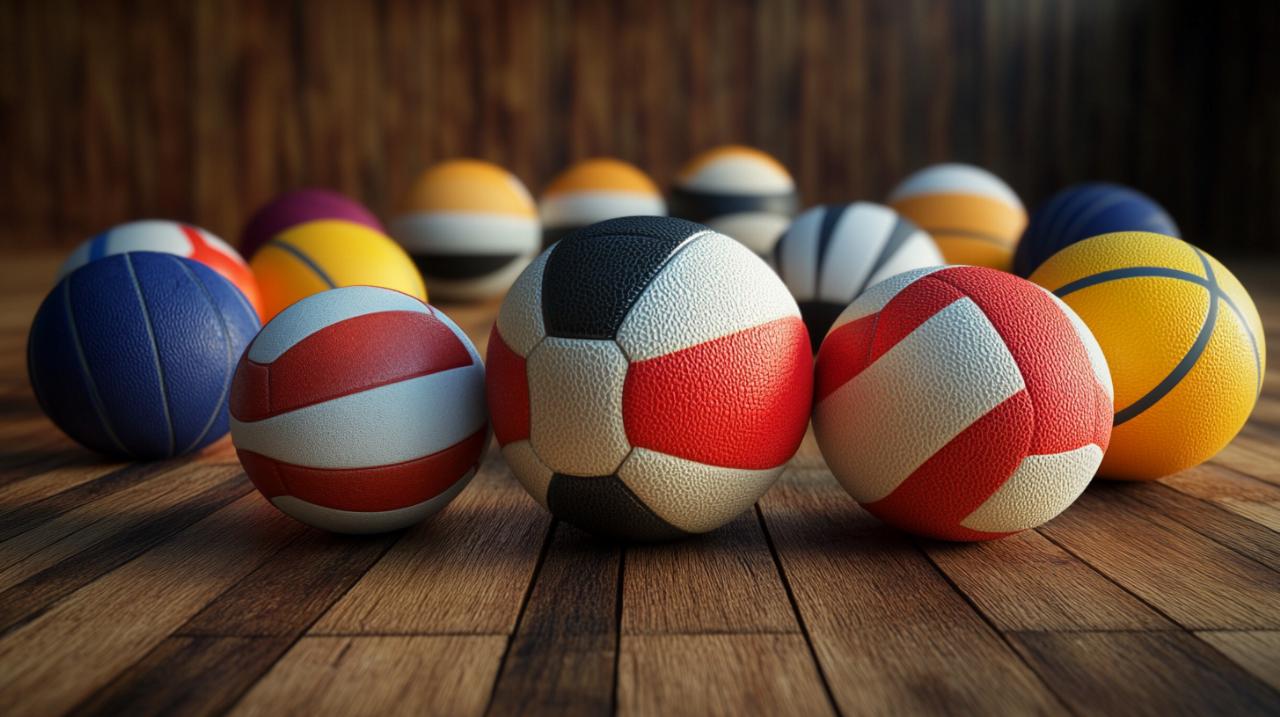
The specialisation of volleyball equipment has progressed considerably since Spalding and Brothers manufactured the first purpose-built volleyball in eighteen ninety-six, replacing the improvised basketball bladders that served the sport's earliest practitioners. Today's market offers distinct categories of volleyballs, each engineered to excel in specific environments and meet the unique demands of different playing styles. Recognising these distinctions proves essential when selecting equipment that will enhance rather than hinder your development as a player.
Indoor volleyballs versus outdoor volleyballs
Indoor volleyballs are precision instruments designed for the controlled environment of sports halls, where factors such as wind and precipitation never interfere with play. These balls typically feature smooth, moulded construction that minimises air resistance, allowing them to travel at remarkable speeds across the court. The standard adult indoor volleyball measures between sixty-five point five and sixty-six point five centimetres in circumference, weighs between nine point two and nine point nine ounces, and maintains an internal pressure of four point three to four point six psi. The higher inflation pressure creates a lively bounce off wooden courts whilst the smooth exterior enables players to generate substantial spin for tactical serves and attacks. Indoor balls commonly display two or three colours, a design choice that aids visibility under artificial lighting and helps players track the ball's rotation during flight. Leading manufacturers such as Mikasa introduced revolutionary designs including the eight-panel ball with dimpled surface patterns that became the official indoor standard in two thousand and eight, enhancing aerodynamic stability and improving flight consistency. Outdoor volleyballs must contend with entirely different challenges, principally the effects of wind and varying surface conditions. These balls incorporate features borrowed from both indoor and beach volleyball designs, creating versatile equipment suitable for recreational play on grass, concrete, or other firm outdoor surfaces. They typically employ more durable cover materials that resist abrasion from rougher playing surfaces, with synthetic leather and rubber compounds being particularly popular for their resilience and weather resistance.
Beach volleyballs and training balls
Beach volleyballs represent perhaps the most specialised category, engineered specifically for the demands of sand-based competition. These balls measure slightly larger than their indoor counterparts, with circumferences ranging from sixty-six to sixty-eight centimetres, and they operate at significantly lower pressures to prevent discomfort during the extended rallies characteristic of beach volleyball. The reduced inflation creates a softer contact that proves essential when players are repeatedly diving and making defensive plays on abrasive sand surfaces. Premium beach volleyballs such as the Wilson OPTX AVP and Mikasa VLS300 incorporate water-resistant technology and high-resistance polyurethane covers designed to withstand the punishing combination of saltwater, sand abrasion, and intense ultraviolet radiation. The Wilson OPTX AVP has earned particular praise amongst beach volleyball beginners for its excellent weight distribution and stability in coastal winds, whilst maintaining a recommended inflation pressure between two point five and three point two psi. The Mikasa VLS300 serves as the official ball for international beach volleyball competitions sanctioned by the FIVB, though its slightly firmer construction and susceptibility to wind influence make it a better choice for advanced players who have developed the technique to control it effectively. Training volleyballs constitute another important category, encompassing balls specifically designed to develop particular skills or accommodate players at different stages of development. These balls may be weighted to build arm strength and improve technique, or constructed lighter to help young players master fundamental skills without the risk of injury. Size four volleyballs, measuring between sixty-two and sixty-four centimetres in circumference and weighing two hundred and thirty to two hundred and fifty grammes, provide ideal equipment for children under twelve, with models such as the Molten V4M1300 offering age-appropriate specifications that facilitate proper skill development. Investing in quality equipment from established brands including Wilson, Mikasa, Molten, Tachikara, and Baden ensures that players experience the performance characteristics necessary for genuine improvement, whilst avoiding the frustrations associated with inferior products. Cheap replica balls, often priced between ten and fifteen pounds, employ substandard materials that result in unpredictable flight patterns, poor durability, and even potential injury to fingers and arms. Quality volleyballs should provide at least two years of reliable service with proper maintenance, which includes regular cleaning with fresh water to remove salt and sand, protection from prolonged sun exposure, periodic pressure checks, and storage in temperature-stable environments away from heat sources. Kipsta's BV 900 from Decathlon offers an affordable yet FIVB-approved alternative for recreational players and educational institutions seeking cost-effective equipment without sacrificing essential performance standards. Understanding these various categories enables players to make informed decisions that align with their specific playing environment, skill level, and competitive aspirations, ultimately enhancing both their enjoyment of the sport and their trajectory towards mastery.